
Rakta Dhatu: The Ayurvedic Link Between Blood, Circulation & Clear Skin
In Ayurveda, rakta dhatu governs blood, circulation and skin vitality. Understanding this tissue layer offers a deeper lens on inflammation, redness and radiant skin.
When Skin Signals Something Deeper
Sometimes the body communicates through the skin. Redness may appear more easily. Breakouts feel more inflamed than usual, or heat rises in the face after stress, spicy food or sun exposure. Skin that once felt stable can suddenly become reactive.
These shifts are often treated as isolated skin concerns. Ayurveda looks beyond the surface to understand what the body may be communicating.
The skin is understood as a reflection of deeper systems within the body. Circulation, digestion, hydration and internal heat all influence how the skin behaves.
One of the most important of these systems is rakta dhatu, the Ayurvedic tissue responsible for blood and circulation.
When rakta dhatu is balanced, circulation flows smoothly and nourishment reaches the tissues with ease. The skin often appears vibrant, even and naturally clear.
When rakta becomes aggravated, the body may communicate through redness, inflammation or sensitivity. Understanding rakta dhatu offers a deeper perspective on skin health, one that connects circulation, nourishment and internal balance.
The Seven Dhatus: How Ayurveda Understands the Body
Ayurveda describes the body as being built through seven layers of tissue, known as the dhatus. These tissues form sequentially, each one nourished by the layer that comes before it. Together they create the structure, vitality and resilience of the body.
The 7 dhatus are:
rasa (plasma & lymph)
rakta (blood)
mamsa (muscle tissue)
meda (fat & lubrication)
asthi (bone)
majja (nervous tissue & marrow)
shukra (reproductive tissue)
Each dhatu performs a unique role in maintaining health. These tissues are not separate systems but part of a continuous chain of nourishment throughout the body.
Rakta dhatu is the second layer, developing from rasa dhatu and carrying nourishment throughout the body.
Because rakta governs circulation, its health influences many visible aspects of vitality, including energy levels, complexion and skin vitality.
What Is Rakta Dhatu?
Within the dhatu system, rakta dhatu refers to the blood tissue of the body.
In Ayurvedic physiology, rakta is responsible for transporting nourishment throughout the body while supporting circulation, oxygenation and the vitality of tissues.
Through this continuous movement, rakta connects digestion with cellular nourishment. When digestion produces well-formed nutrients, rakta distributes them throughout the tissues so they can be used by the body.
When digestion becomes overwhelmed or internal heat accumulates, rakta may become aggravated. Because blood travels everywhere in the body, these imbalances often become visible in places like the skin.
For this reason, skin health is often closely linked to the condition of rakta dhatu.
The Connection Between Rakta Dhatu & Skin Health
In Ayurveda, the skin is closely connected with the blood. This relationship helps explain why many skin concerns are associated with imbalances in rakta dhatu.
When rakta is balanced, the skin often appears:
- clear
- evenly toned
- naturally vibrant
Healthy circulation delivers oxygen and nutrients to skin cells while helping remove inflammatory byproducts. This steady movement supports tissue repair and overall skin vitality.
When rakta becomes overheated or congested, the skin may show signs such as:
- redness
- irritation
- inflammatory breakouts
- sensitivity
- rosacea tendencies
These patterns are commonly associated with excess pitta, the dosha linked with heat and transformation.
Pitta and rakta share many qualities. Both are warm, mobile and transformative. When pitta accumulates within the blood, heat circulates throughout the body and may eventually surface through the skin.
In this way, rakta dhatu can be understood as the circulatory intelligence that sustains skin vitality.

Signs of Balanced Rakta Dhatu
When rakta dhatu is functioning well, the body often displays signs of vitality and stability.
These may include:
- a clear & vibrant complexion
- healthy circulation
- stable body temperature
- steady energy levels
- emotional clarity
- focus & precision in the mind
The skin often appears naturally radiant because nourishment and oxygen are reaching the tissues through healthy circulation.
Signs of Rakta Dhatu Imbalance
When rakta dhatu becomes aggravated, the body often expresses patterns of heat or inflammation.
Common signs may include:
- skin redness or flushing
- inflammatory acne
- rosacea tendencies
- skin sensitivity
- excessive internal heat
- irritability or frustration
Certain lifestyle patterns may contribute to rakta imbalance over time.
These include:
- excessive spicy foods
- alcohol consumption
- chronic stress
- poor sleep habits
- excessive sun exposure
- overheating from intense exercise
When these influences accumulate, the body may respond through increased inflammatory activity.
Supporting Rakta Dhatu Through Daily Ritual
Ayurveda rarely approaches imbalance through aggressive intervention. Instead, it emphasizes daily rhythms and supportive rituals that help guide the body back toward balance.
When supporting rakta dhatu, these rituals focus on cooling excess heat, nourishing the blood and encouraging steady circulation.
Favor Cooling Foods
Certain foods are traditionally considered supportive for rakta balance.
These include:
- leafy greens
- cucumber
- cilantro
- pomegranate
- bitter vegetables
These foods help moderate internal heat while supporting digestion and circulation.

Stay Well Hydrated
Rakta dhatu develops from rasa dhatu, the plasma and lymph tissue responsible for hydration and nutrient transport.
Because of this relationship, hydration plays an important role in maintaining healthy blood flow. Adequate water and herbal teas support circulation and tissue nourishment throughout the body.
Encourage Gentle Circulation
Movement is another important influence on rakta.
Walking, yoga and gentle daily activity help encourage steady circulation without aggravating internal heat. Very intense exercise, particularly in hot environments, may increase pitta and contribute to inflammatory patterns.


Support the Skin Through Ritual
In Ayurveda, topical rituals are not separate from internal health. They are considered extensions of the body’s circulatory and lymphatic systems.
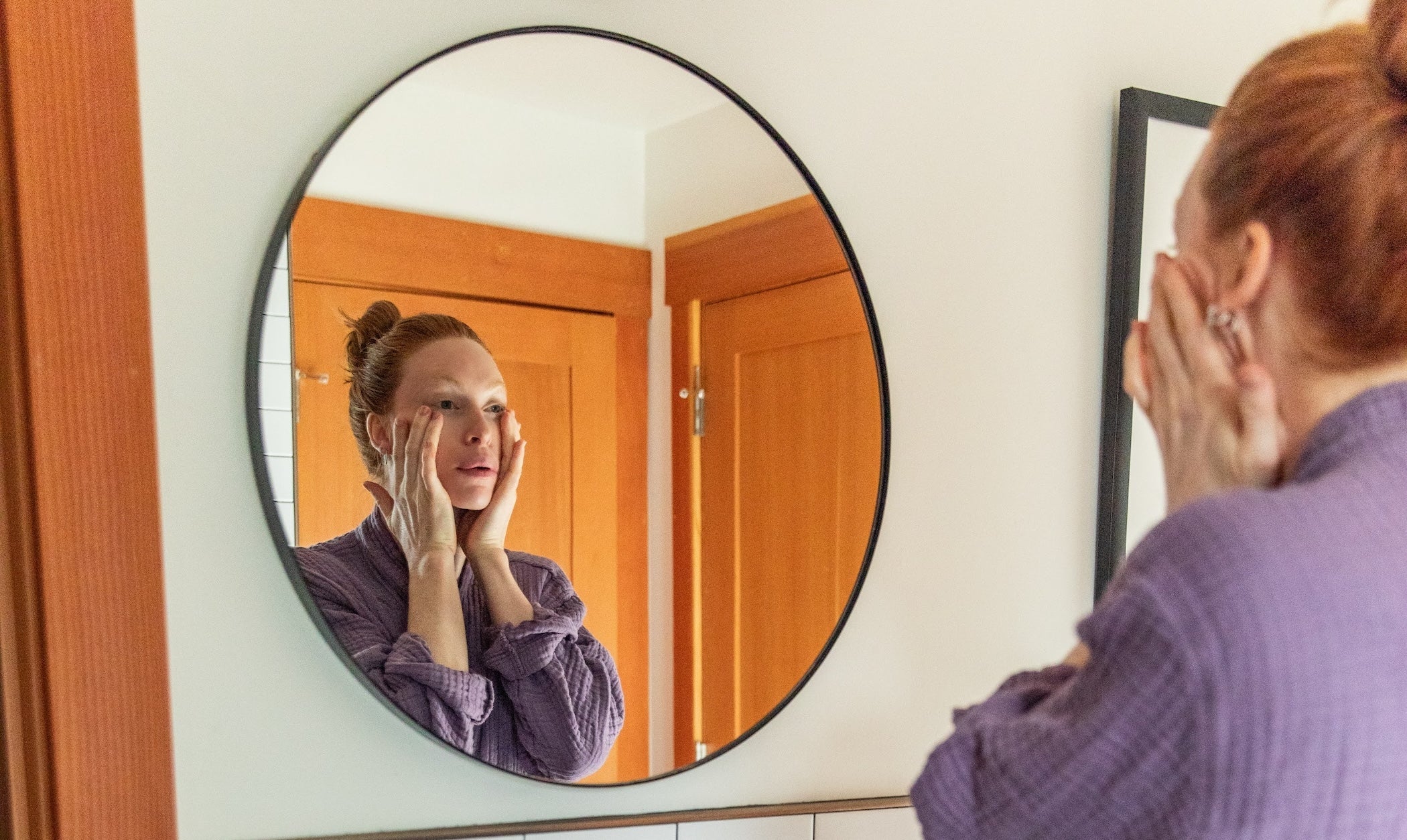
Gentle facial massage, herbal masks and botanical oils help support circulation while maintaining the integrity of the skin barrier.
For example, calming herbal blends designed for pitta-prone or sensitive skin can help reduce visible redness while supporting balanced skin function.
Within the PAAVANI skincare collection, cooling botanical formulations such as the Pitta Skincare Ritual, including the Pitta Cleanser & Mask, Pitta Toner & Pitta Serum, are designed to gently exfoliate, tone and moisturize while supporting the skin barrier.
These rituals are not intended to force results but to create conditions where the skin can rebalance naturally.
Why Rakta Dhatu Matters for Modern Skin Concerns
Many modern skin conditions involve inflammation. Acne, rosacea and chronic redness often arise from complex interactions between immune response, circulation and environmental stressors.
Ayurveda offers a broader way of understanding these patterns. By looking at the health of rakta dhatu, skin concerns are viewed through the lens of blood, circulation and internal heat rather than the skin alone.
When rakta becomes overheated or congested, this imbalance may surface through redness, sensitivity or inflammatory breakouts.
For this reason, Ayurveda often approaches skin health by supporting the internal systems that influence rakta.
This perspective encourages attention to:
• digestion & metabolic balance
• circulation throughout the body
• stress response & nervous system regulation
• daily rituals that support equilibrium
Rather than focusing only on symptoms, Ayurveda invites a deeper awareness of how the body maintains vitality over time.


FAQs About Rakta Dhatu
What is rakta dhatu in Ayurveda?
Rakta dhatu is the Ayurvedic tissue responsible for blood and circulation. It distributes nutrients throughout the body while supporting skin vitality and body temperature.
How does rakta dhatu affect the skin?
Because the skin reflects the health of the blood, imbalances in rakta dhatu may show up as redness, inflammation or sensitivity in the skin.
Which dosha is connected to rakta dhatu?
Rakta dhatu is closely associated with pitta dosha because both relate to heat, metabolism and transformation within the body.
How can you support healthy rakta dhatu?
Supporting rakta dhatu typically involves cooling foods, proper hydration, balanced movement and rituals that encourage healthy circulation.
Is rakta dhatu connected to detoxification?
Yes. Rakta helps transport metabolic waste away from tissues while delivering nutrients throughout the body, supporting the body’s natural detoxification processes.
Understanding Health Through Rakta Dhatu
Ayurveda encourages a more integrated way of understanding the body. Rather than viewing the skin as an isolated system, it recognizes how circulation, nourishment and internal balance influence how the skin behaves.
Rakta dhatu sits at the center of this relationship. It reflects how nutrients move through the body, how internal heat is regulated and how vitality reaches the tissues.
When rakta is supported through nourishment, hydration and steady daily rituals, the effects often appear where we can see them most clearly.
In the skin.
Not as a temporary glow, but as a reflection of deeper balance moving through the body.

Leave a comment
This site is protected by hCaptcha and the hCaptcha Privacy Policy and Terms of Service apply.