


A 5 Senses Meditation for Spring: An Ayurvedic Ritual for Kapha Season
“Blossom by blossom, the spring begins."
As winter gives way to spring, the Spring Equinox marks a moment of balance between light and dark. In Ayurveda, this seasonal transition unfolds during kapha season, when qualities of heaviness, moisture and slower movement become more pronounced in both the environment and the body.
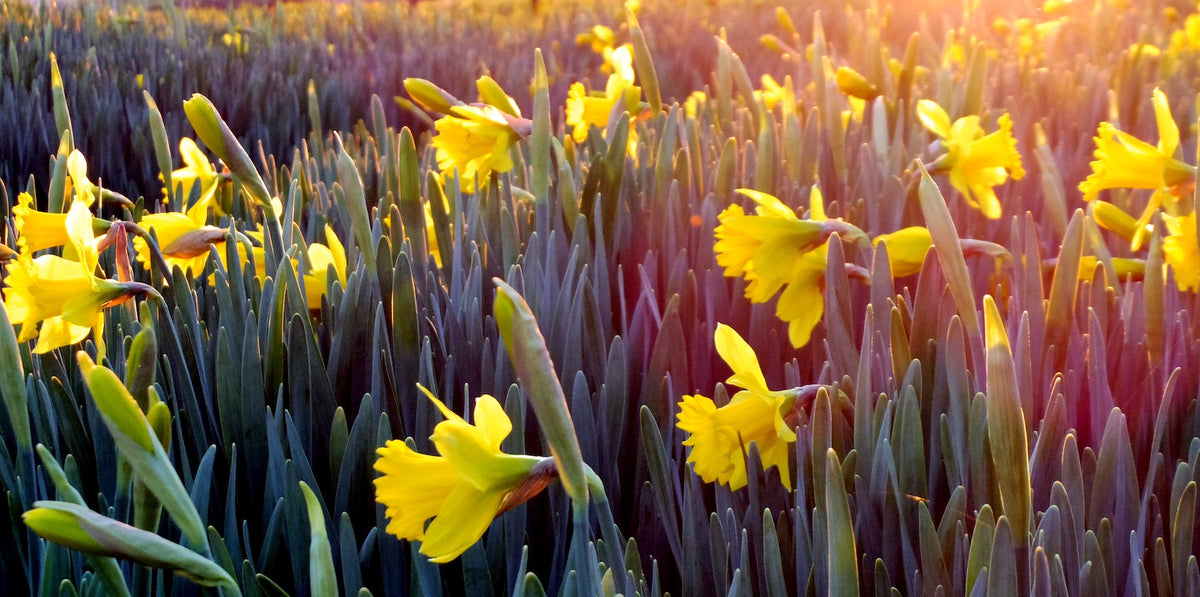
Here in Northern California, daffodils are among the first to emerge, pushing through cold, rain-soaked soil with quiet persistence. Their presence feels like a signal. Not urgent, not forceful. Just steady. A reminder that change is already happening.
This seasonal transition marks the Spring Equinox, a moment of balance between light and dark. In Ayurveda, it also marks the heart of kapha season—a time defined by heaviness, moisture and slower movement in both the environment and the body.
You may feel this as low energy, brain fog or a sense of resistance to movement. Not necessarily wrong, just slower.
This is where ritual becomes supportive.
Understanding Spring Through Ayurveda
The Spring Equinox is more than a calendar moment. It reflects a shift in the qualities of nature that directly influence the body.
Kapha season, spanning late winter into spring, is governed by the elements of earth and water. These elements bring structure and stability, but also density and accumulation.
In balance, kapha supports:
grounded energy
strong immunity
emotional steadiness
Out of balance, it can feel like:
stagnation
heaviness
congestion
lack of motivation
Rather than pushing against these feelings, Ayurveda invites awareness.
The goal is not to override the season, but to gently introduce qualities that create balance—lightness, warmth and subtle stimulation.
The Role of the Senses in Ayurvedic Ritual
In Ayurveda, the senses are deeply connected to the nervous system.
What you see, hear, smell, taste and touch all influence how the body interprets safety, stress and regulation.
During kapha season, when energy can feel slow or stagnant, engaging the senses helps bring awareness back into the body.
It creates movement without force.
A 5-senses meditation is a simple way to reconnect to your environment while supporting mental clarity and presence.
A 5 Senses Meditation for Spring
This meditation can be done outside or near an open window. It takes just a few minutes, but the effect can be grounding and clarifying.
1. Sight — Notice What Is Emerging
Let your eyes land on something natural.
It could be:
flowers beginning to bloom
light moving across a surface
trees starting to shift
Notice color, texture and movement without labeling or analyzing.
This begins to gently awaken awareness.
2. Sound — Listen Without Reacting
Shift your attention to sound.
Notice:
birds
wind
distant movement
Allow sound to exist without needing to identify it. This helps quiet mental noise and supports nervous system regulation.
3. Smell — Engage Subtle Sensory Input
Take a slow breath in.
Notice:
fresh air
earth after rain
subtle plant aromas
Smell is directly tied to memory and emotion. This step often creates an immediate shift in how you feel.
4. Touch — Feel the Environment
Bring awareness to physical sensation.
Notice:
air on your skin
warmth of sunlight
the ground beneath your feet
Touch grounds the body and helps reduce the feeling of being mentally “stuck.”
5. Taste — Create a Moment of Presence
If possible, sip something warm like herbal tea.
Notice:
temperature
texture
subtle flavor
Taste brings the experience inward and completes the sensory loop.
Why This Ritual Supports Kapha Season
Kapha imbalance often feels like inertia.
This practice works because it:
creates gentle stimulation
increases awareness without overwhelm
supports circulation of attention and energy
reconnects you to your environment
It is not about doing more. It is about noticing more.
How to Integrate This Into Your Daily Rhythm
This ritual does not need to be long or complicated.
You can:
practice it in the morning to set the tone for the day
step outside mid-day to reset energy
use it in the evening to transition out of work mode
Consistency matters more than duration.
Even a few minutes can shift how the body processes the season.
Optional Ritual Enhancements
If you want to deepen the experience, you can layer in supportive elements.
Aromatherapy
Use uplifting, clarifying scents like:
grapefruit
rosemary
eucalyptus
These help counter kapha’s heaviness.
Warm Herbal Tea
A spiced tea with ginger, cinnamon or cardamom can support digestion while anchoring the ritual.
Gentle Movement Before or After
A short walk or a few rounds of sun salutations can help amplify the effects of the practice.
FAQ: Spring Meditation & Ayurvedic Rituals
What is the Spring Equinox in Ayurveda?
It marks a seasonal transition into kapha season, when earth and water elements become dominant.
Why do I feel more tired in spring?
Kapha qualities like heaviness and slow movement can accumulate, leading to lower energy and sluggish digestion.
What is a 5 senses meditation?
A grounding practice that brings awareness to sight, sound, smell, touch and taste to support presence and nervous system balance.
How often should I do this ritual?
Daily, or as often as needed during seasonal transitions.
Closing Reflection
Spring does not arrive all at once. It unfolds slowly, often beneath the surface before it becomes visible.
In the same way, the body does not shift overnight. It responds to small, consistent moments of awareness. This is the role of ritual. Not to force change, but to support it.



Leave a comment
This site is protected by hCaptcha and the hCaptcha Privacy Policy and Terms of Service apply.