

What Is Vata Dosha?
Vata dosha is the energy of movement in Ayurveda, comprised of the air and ether elements. These elements represent motion and space, influencing everything from breath and circulation to thoughts and emotions.
To understand vata, it helps to look at the qualities of air and ether. These elements are light, dry, cold, mobile and flowing. Because vata is made up of these elements, it carries these same qualities within the body and mind.
Everyone has vata within them, but when vata becomes excessive relative to your natural constitution, imbalance can occur.
A vata type reflects these qualities physically, mentally and emotionally. The vata body is often irregular in structure, sometimes thin with long limbs or sometimes more pear-shaped. Vata types may have difficulty gaining weight and often experience fluctuations in energy.
Mentally and emotionally, vata types tend to be creative, expressive and full of ideas. They are adventurous, imaginative and naturally drawn to movement and change. Often described as dreamy, bubbly and charismatic, vata individuals bring inspiration and creativity wherever they go.
Because of their inherently mobile nature, vata types can be difficult to pin down. They thrive on variety, new experiences and spontaneity. The energy of vata is often compared to a hummingbird or butterfly, always moving and exploring. While others may perceive this as scattered, for a vata type, this movement is what brings a sense of aliveness.
What Does Vata Govern?
In Ayurveda, vata governs all movement in the body. This includes both physical and subtle processes that keep the body functioning.
Vata is responsible for:
- Breathing & the flow of prana (life force).
- Circulation & movement of nutrients.
- Nerve impulses and communication within the nervous system.
- Elimination of waste through the colon.
- Movement of thoughts, creativity & sensory perception.
Because vata oversees the nervous system and communication pathways in the body, it has a powerful influence on both mental and physical balance.
Signs of Vata Imbalance
When vata becomes excessive, its qualities of movement and dryness increase in the body and mind. This can lead to both physical and emotional imbalances.
Because vata governs the nervous system, imbalance often shows up as heightened sensitivity, anxiety or difficulty slowing down. The mind may feel scattered, overstimulated or overwhelmed.
Common signs of vata imbalance include anxiety, restlessness, insomnia and fear.
In the physical body, vata imbalance often presents as coldness, dryness and constipation. The skin may become dry, rough, thin and more prone to fine lines and premature aging.
What Increases Vata?
Vata naturally increases when we are exposed to more of its qualities: cold, dry, light and excessive movement.
Common factors that aggravate vata include:
- Cold or windy weather
- Eating raw, cold or dry foods
- Irregular eating or sleeping patterns
- Travel & constant movement
- Overstimulation, stress or excessive screen time
Without grounding practices, these influences can accumulate, leading to vata imbalance over time.
Vata is most prominent during fall and early winter, when the environment becomes cooler, drier and more variable.

Vata Skin: Characteristics & Imbalances
Vata skin is influenced by the air and ether elements. When balanced, vata skin tends to be slightly cool in tone, naturally dry and fine in texture with small pores.
When vata is out of balance, the skin becomes more visibly dry, rough and delicate. Common concerns include blackheads, dehydration, fine lines and premature aging. Wrinkles often appear first on the forehead and around the eyes.
Supporting vata skin requires consistent hydration, nourishment and protection from environmental stressors. Using warm, oil-based and nutrient-rich skincare helps restore softness, elasticity and overall radiance.
Vata Skincare Ritual
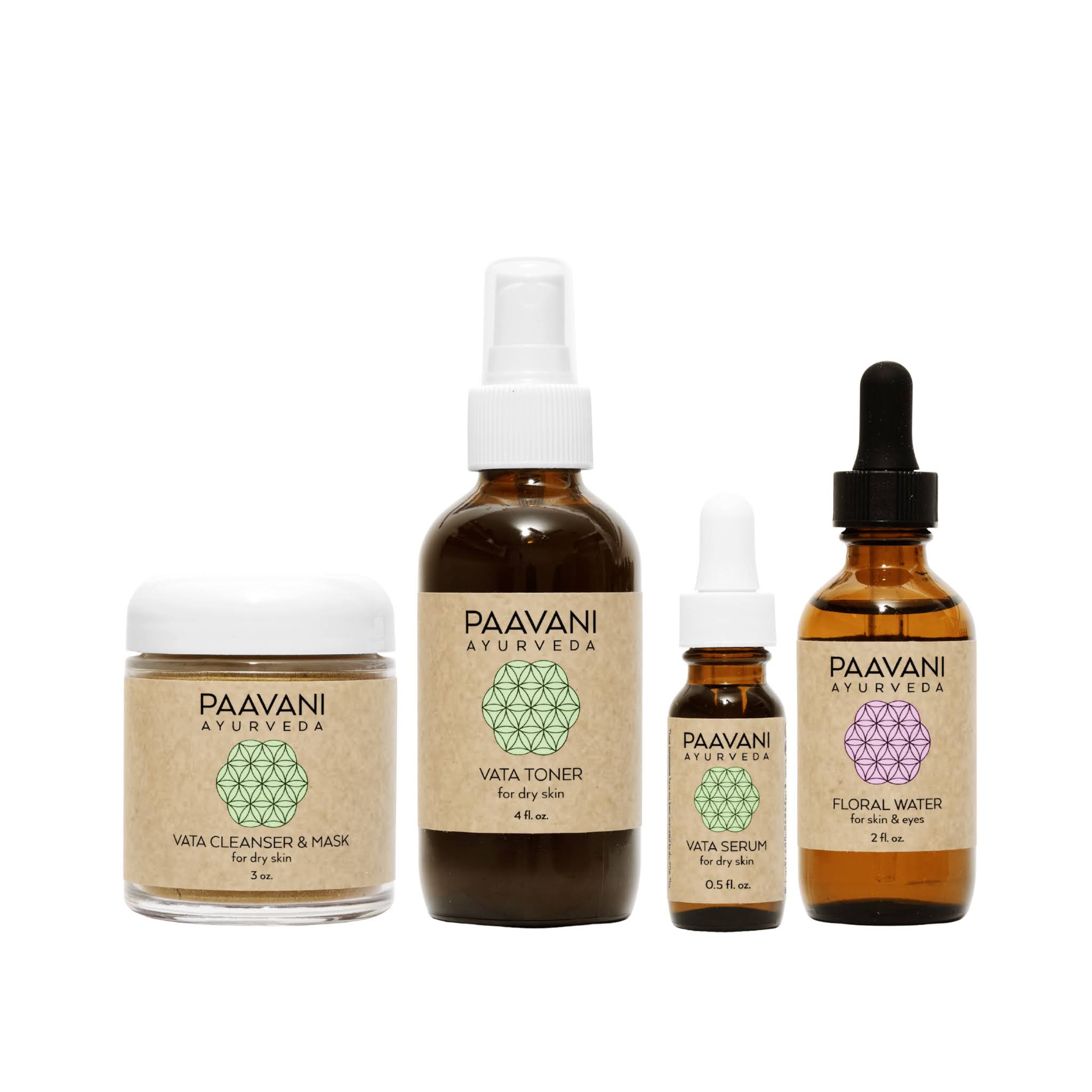
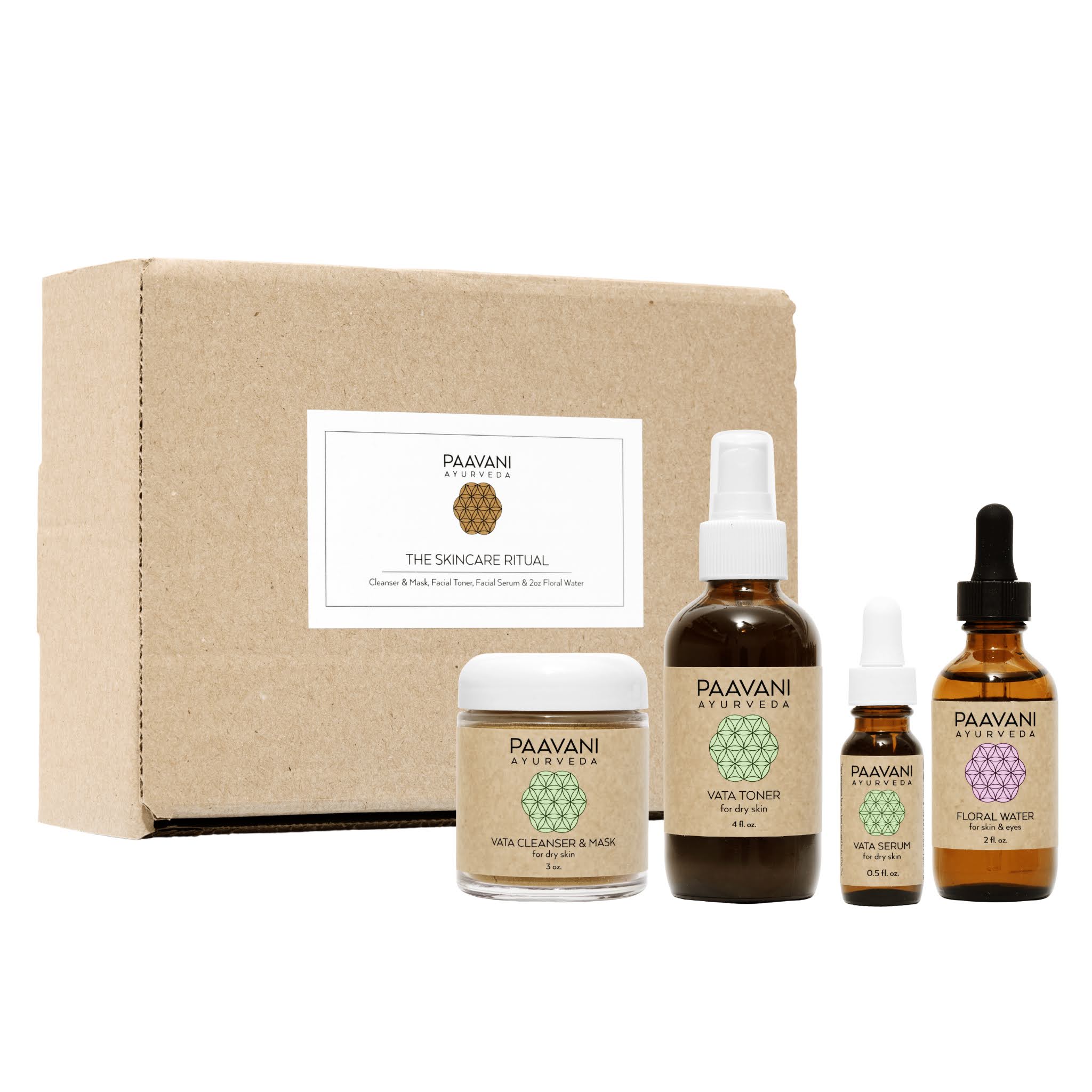
Balancing vata skin begins with replenishing moisture, strengthening the skin barrier and introducing warmth through daily rituals.
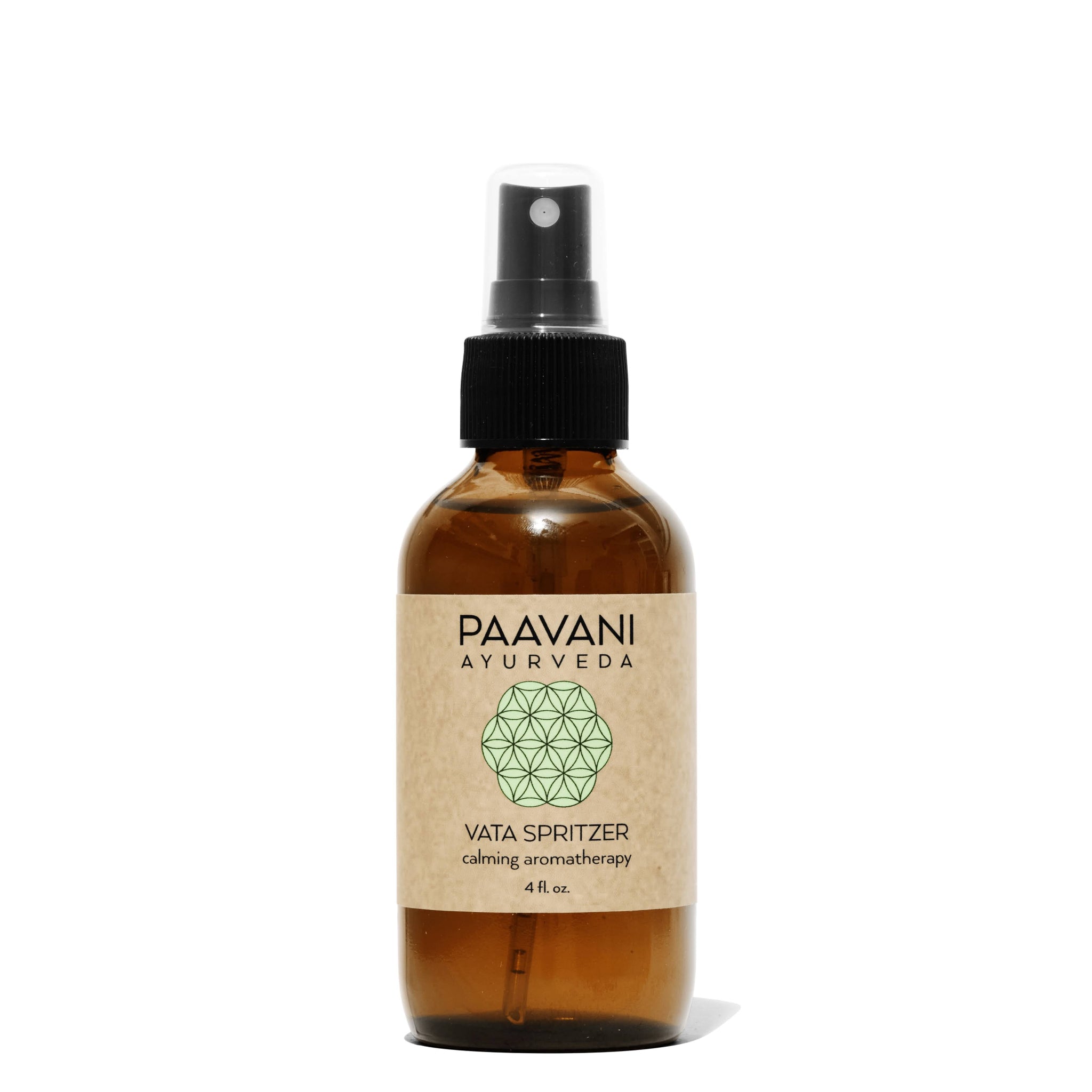
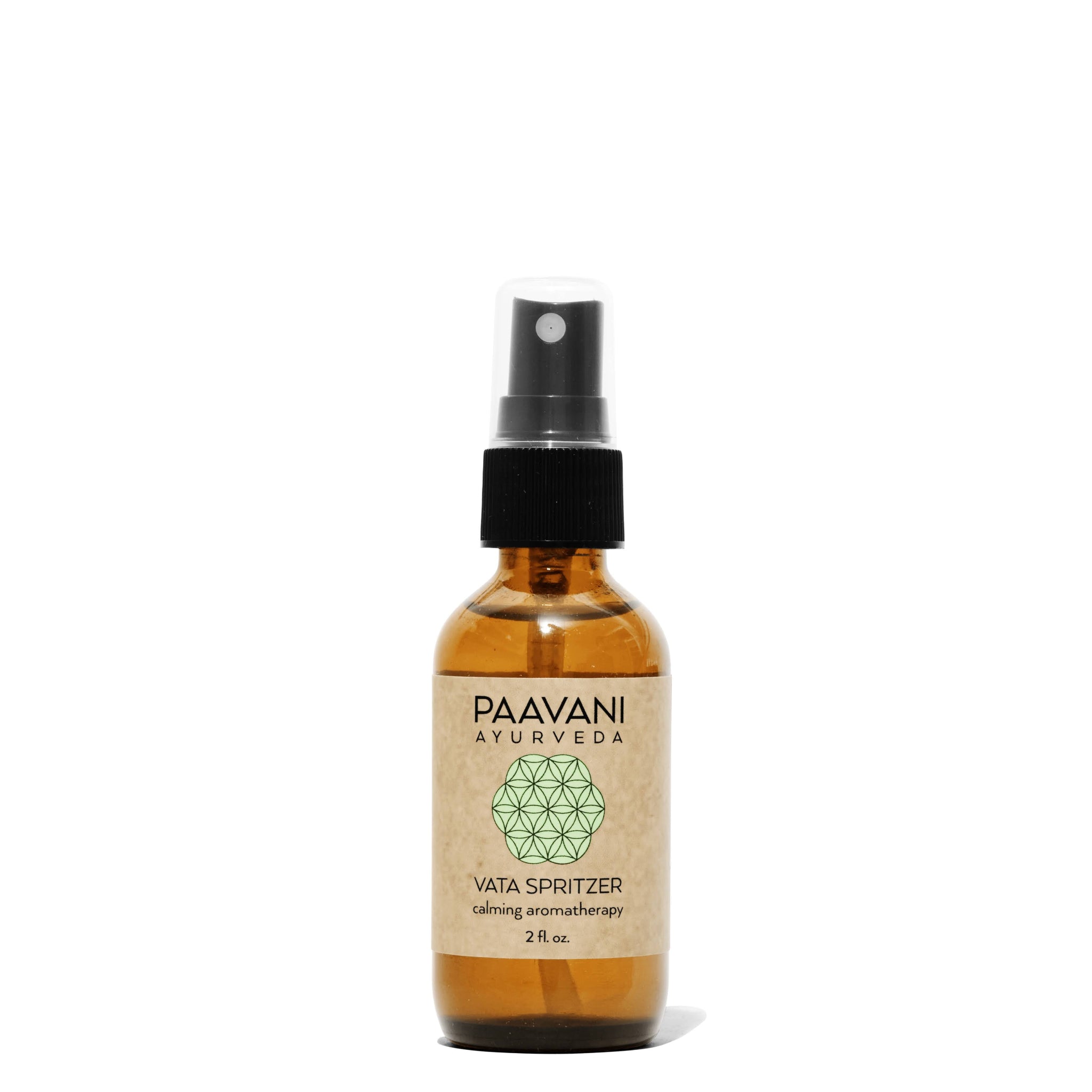
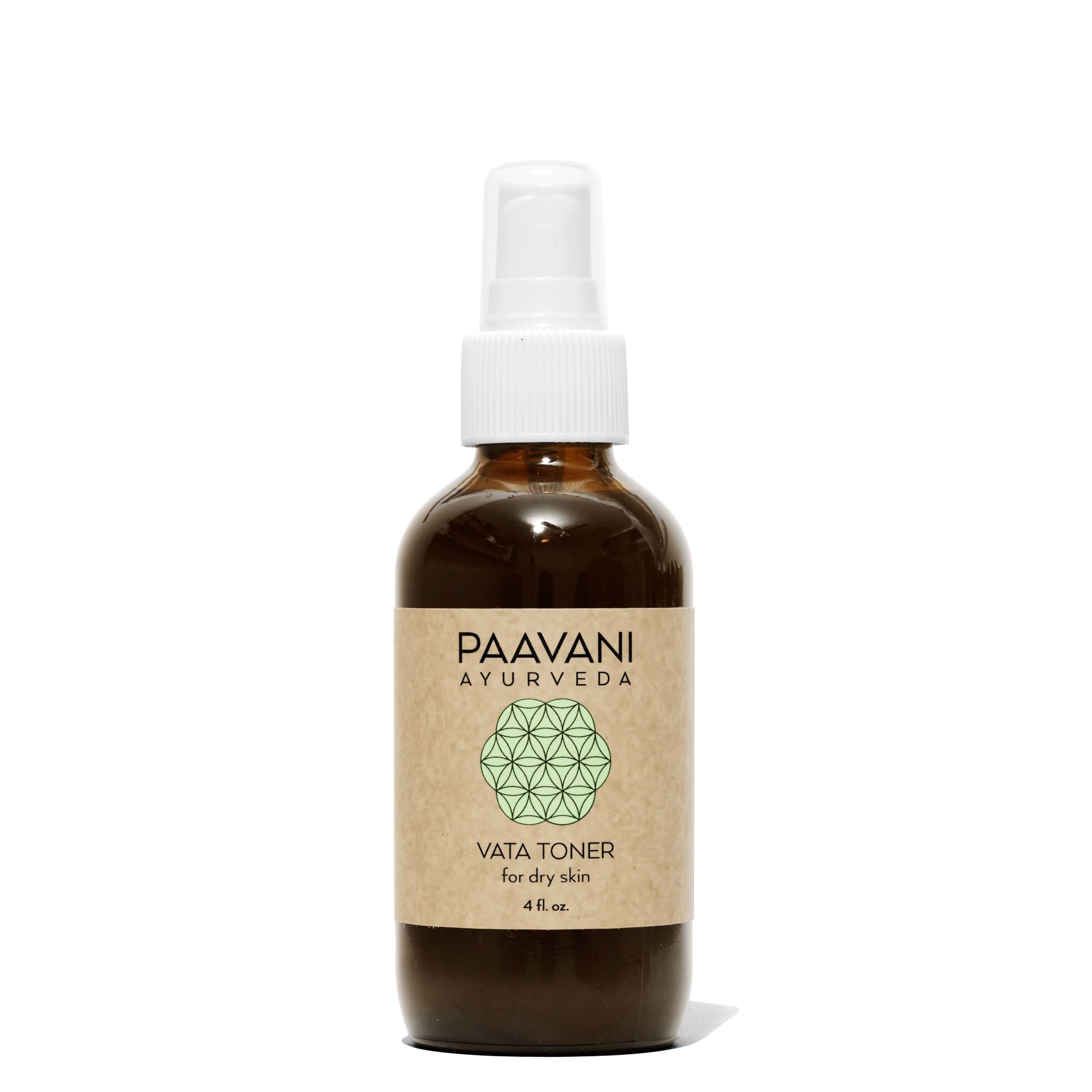
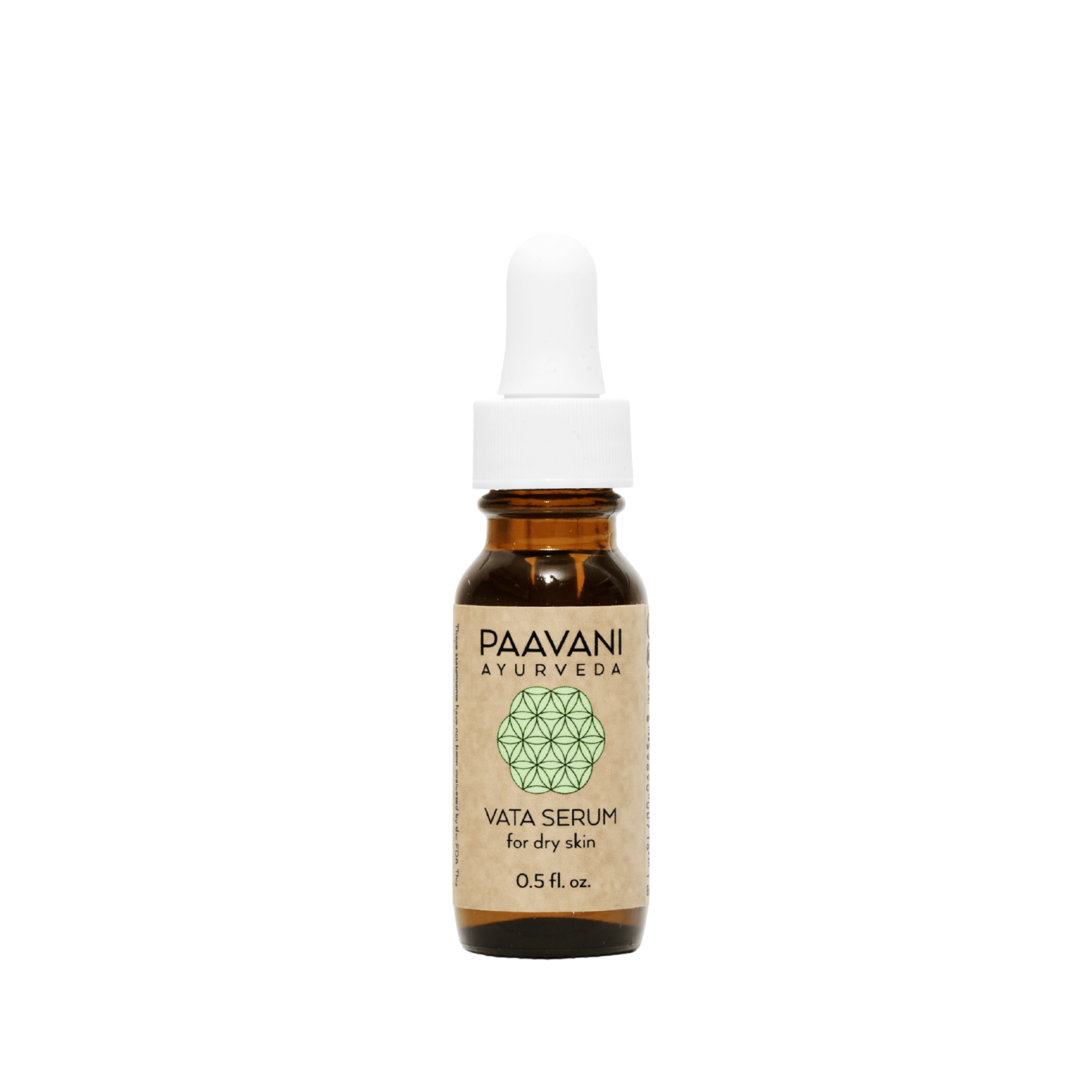
The Vata Skincare Ritual is formulated to counteract dryness and depletion by delivering deep hydration and nourishment to the skin.

How to Balance Vata Dosha Naturally
Balancing vata is centered around creating warmth, stability and routine. Because vata is light, dry and mobile, it benefits from the opposite qualities: grounding, nourishing and consistent practices.
Diet & Digestion
- Avoid raw & cold foods.
- Favor warm, cooked & well-spiced meals.
- Use healthy oils such as ghee to support digestion & hydration.
- Incorporate spices like turmeric, cumin & nutmeg to gently stimulate digestion.
- Drinking warm lemon water in the morning can help stimulate digestion & support healthy elimination.
Lifestyle & Routine
- Stay warm & avoid cold, dry environments.
- Establish a consistent daily routine to stabilize vata.
- Prioritize rest & create space for stillness.
Movement & Mindfulness
- Practice slow, grounding yoga such as Mountain Pose & Child’s Pose.
- Incorporate gentle breathwork, known as pranayama.
- Maintain a daily meditation practice, starting small & building over time.
Self-Care Rituals
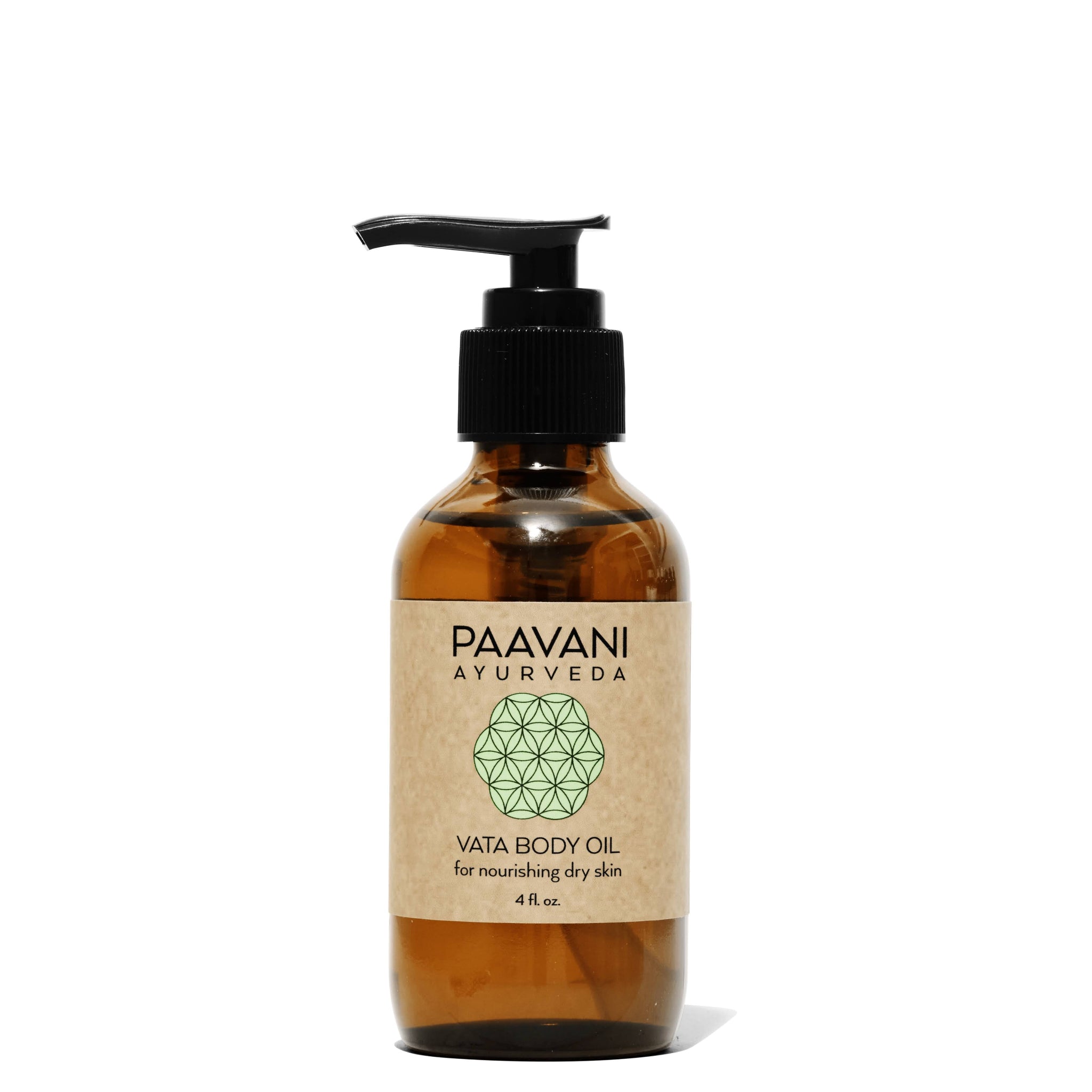
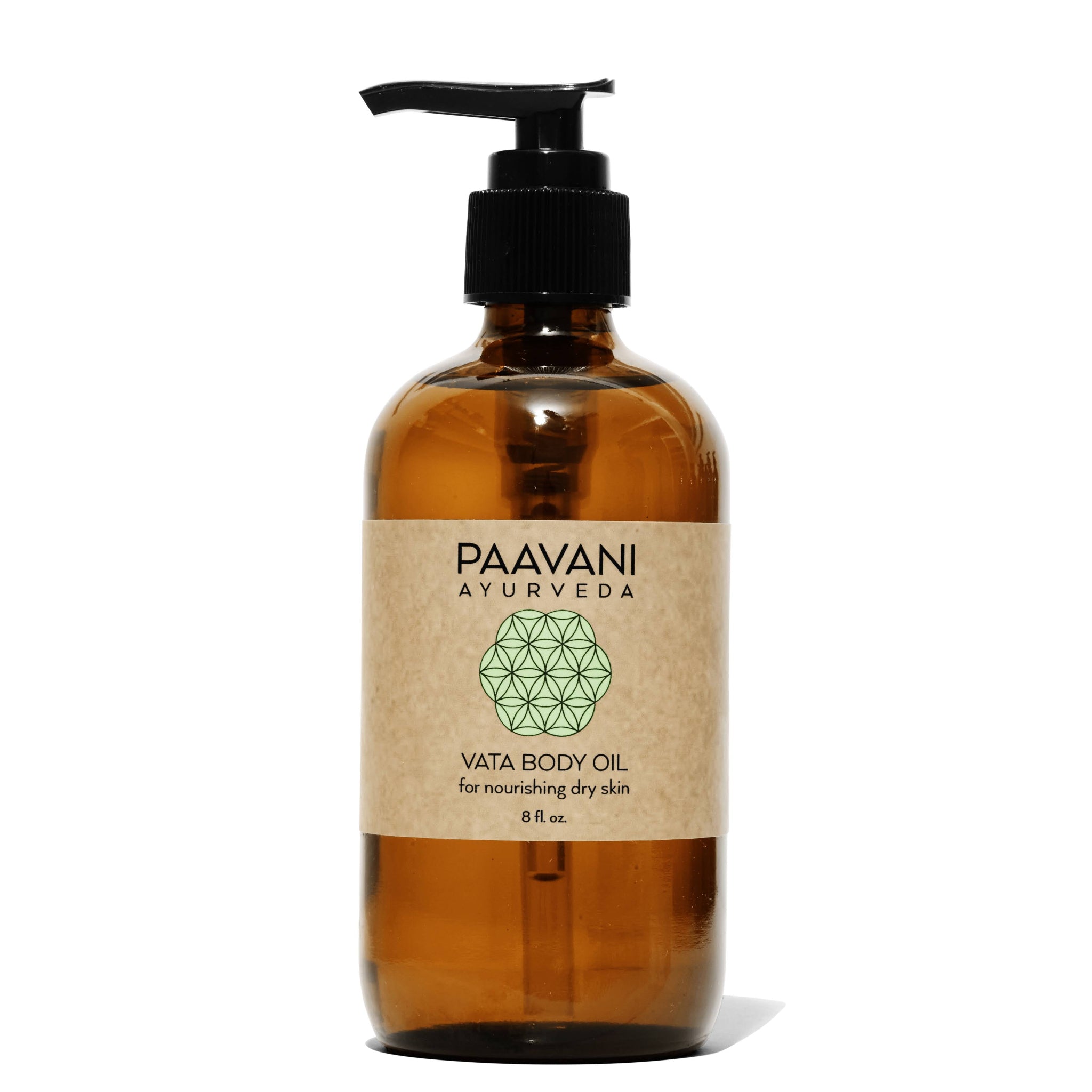
- Perform daily self-massage (abhyanga) with warm Vata Body Oil.
- Take warm baths to calm the nervous system.
- Support digestion & elimination with Triphala in the evening.
Using consistent daily rituals designed to balance vata helps restore stability, hydration and a greater sense of calm in both the body and mind.
Looking to go deeper?
Vata Balancing Skincare & Wellness